

Shame can deeply affect your sense of self-worth, making you feel unlovable and unworthy. Discover how to identify and understand shame, recognize its origins, and embrace the truth of your identity through God’s eyes.
Understanding Shame
Shame is described as “a feeling of embarrassment or humiliation that arises from the perception of having done something dishonorable, immoral, or improper.”¹ Shame leaves us feeling unacceptable, unable, unworthy, unlovely, and even unlovable. It acts as an inner critic proclaiming our lack of worth or value because of what we’ve done or what has been done to us.
It’s in those times that we must know, understand, and accept God’s truth about who we are, how he made us, and how extremely he loves us to combat the darkness that settles deep within and clouds our hearts.
If you are experiencing shame, be assured that message doesn’t come from your heavenly Father but from the enemy of your soul, who hates you and is intent on destroying you.
The Impact of Shame
Shame is the precipitant of fear, and hiding and isolation are the consequences. Along with shame often come the ugly stepsiblings of guilt and regret. If gone unchecked, shame, guilt, and regret so color our perspective of ourselves that we begin to believe we have no worth, purpose, or direction out of the pain of our past, which translates into adopting the false identity that “I am a mistake” rather than “I made a mistake.”
God wants us to bring to him our guilt, shame, and regret since Christ, who loves us, has already paid the price for these burdens.
We are image bearers of God and carry an identity rooted in who he is. “So God created man in his own image, in the image of God he created him; male and female he created them” (Gen. 1:27 ESV).
Shame isolates (exactly what the enemy wants—to keep us far from God, who will remind us of his truth), whereas God welcomes us into holiness because Jesus has washed away our shameful past. “May God himself, the God of peace, sanctify you through and through. May your whole spirit, soul and body be kept blameless at the coming of our Lord Jesus Christ. The one who calls you is faithful, and he will do it” (1 Thess. 5:23–24). In this we lose the fear and isolation and are welcomed with grace and freedom into fellowship with God.

Recognizing Shame
Sometimes it’s difficult to recognize shame. The following are just some of the ways it presents.
Shame looks like:
- sensitivity to the opinions of others
- allowing others to take advantage of you
- living with the belief that you are forever rejected and inadequate
- losing your identity to your sin, mistakes, mistreatment, or pain
- fearing criticism or failure
- feeling unworthy of someone else’s company
- shutting people out
- avoiding being the center of attention
Shame causes us to hide—from others and from God. It makes us isolate and become defensive about those things we desire to keep hidden. Shame masks our identity, making it difficult (if not impossible) to recognize or agree with who God says we are.
Overcoming Shame
Shame, guilt, and regret keep us tied up in the mistakes or happenings of the past, when God desires for us to walk forward into our future in his mercy and grace. “Therefore there is now no condemnation [no guilty verdict, no punishment] for those who are in Christ Jesus [who believe in Him as personal Lord and Savior]” (Rom. 8:1 AMP).
In God’s eyes, our past mistakes don’t dictate our future because he instilled that in us before we were born. Each day is a new day to lean into God’s mercy, grace, forgiveness, and freedom.
What has shame looked like in your life? We’d love to hear in the comments below.
*The above is an excerpt from Sacred Scars: Resting in God’s Promise That Your Past Is Not Wasted by Dr. Michelle Bengtson ©2024 Revell Publishers, used with permission.
¹Arlin Cuncic, “The Psychology of Shame,” Verywell Mind, medically reviewed by Steven Gans, MD, updated June 28, 2023, www.verywellmind.com/what-is-shame-5115076.
Struggling with feelings of unworthiness or isolation? Discover how shame impacts your self-view and how embracing God's truth can transform your life. Read more to reclaim your identity and find freedom. Share on X Shame making you feel stuck in the past? Learn how to break free from guilt and regret by understanding your true worth through God’s eyes. Find hope and healing today. #SacredScars Share on X
Sacred Scars: Resting in God’s Promise that Your Pain is Not Wasted
Now Available!
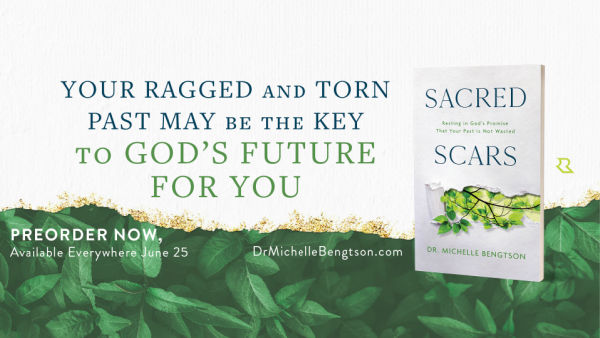
We all endure trials, pain, and hardship in this life. Too often we believe these experiences disqualify us from being useful to God. But the truth is, your past pain and brokenness serve as preparation for what God wants to do in and through you – if you will surrender to and trust him.
Just as Jesus’s scars didn’t disappear after his resurrection, our emotional or physical scars tell our story and lend credence to our testimony of God’s love and power. If you are ready to turn your past pain into present comfort and future hope, let Dr. Bengtson be your compassionate guide.
Find out more and order here: Sacred Scars


I was raised that I was to be perfect. I always felt like I had to perform to be loved so anything less than perfect, which is impossible, wasn’t acceptable. I tried to be such a good girl and good at whatever I did. Meet others expectations but that will wear you out and just doesn’t happen. We all make mistakes and God’s forgiveness is there so I just had to learn through the years not to put unreal expectations on myself. I know I can’t be perfect but I do seek to be all that the Lord wants me to be. I know I am a daughter of my heavenly Father and He loves me. I walk in a freedom now that I did not have as a child or young adult. Thank you for this message on shame and what God says. Such a great reminder of God’s perspective.
Karen, I think many of us were raised under the perfection expectation when it would have been healthier to remind us that Jesus was the only perfect one and that his blood washes away our imperfections!
Dr. Michelle!
Thank you for this post. I struggled through a 2.5-year bout of anxiety & depression that led to psychosis. I can attest to the intense feelings of guilt and shame I battled during that season. I agree wholeheartedly with your statement:
“Shame, guilt, and regret keep us tied up in the mistakes or happenings of the past, when God desires for us to walk forward into our future in his mercy and grace.”
I’m so thankful for a personal, loving God who has the power to set us free, and use everything the enemy meant for evil – for our good and His glory!
Oh YES, Maria! Where would we be without God’s mercy and grace? I’m so grateful!