

As a parent, we try to do the best job we can raising our children. While children don’t come with a “how-to” manual, God gives us wisdom in His word. Proverbs 22:6 tells us “Train up a child in the way he should go: and when he is old, he will not depart from it.” So what do we do, when our children choose their own path? On a recent conversation with Laine Lawson Craft on an episode of Your Hope-Filled Perspective Podcast (How To Hold On To Hope When Your Child Becomes a Prodigal – Episode 283), we discussed her story, her pain, her wounds, and now her sacred scars that came after walking a long journey with three prodigal children. I hope you’ll take the time to listen or watch that episode. Laine has learned some valuable wisdom about parenting prodigals that she shares in today’s post.
Overcoming 3 Damaging Myths of Parenting Prodigals
By Laine Lawson Craft
Parenting a prodigal child is one of the most challenging journeys any parent can undertake. It’s a path fraught with emotional turmoil, heartbreak, and often misunderstanding. Many parents find themselves shackled by myths that cloud their judgment and hinder their ability to effectively support their child’s return. Let’s dispel these myths with truths to empower you and illuminate your path as you work to guide your child back home.
Myth 1: It’s too late for change.
Truth: It’s never too late. No matter how far your prodigal child has strayed, there is always hope for change. The journey may be long and difficult, but they can find their way back with your love and support. This truth is a beacon of hope, a reassurance that the door to change is never closed, no matter how dire the circumstances may seem.
One common fear is that a prodigal is beyond returning or changing their ways after a certain point. This is simply not true. Fears among parents of prodigals is that there might be a point of no return—a moment after which reconciliation or transformation becomes impossible. Change can occur at any stage of life. As parents, you hold a significant role in this process. Your love, support, and enduring hope can be the catalyst your child needs to find their way back. It’s crucial to maintain hope and keep the doors of communication open. An invitation to return, expressed through words of encouragement and acts of love, can reach a prodigal no matter how far they have strayed.
Scriptural Reference: The Parable of the Prodigal Son (Luke 15:11-32)
This parable is perhaps one of the most comforting scriptures for any parent of a prodigal. In this story, a young man demands his inheritance early, squanders it in reckless living, and finds himself in dire straits. Ashamed and destitute, he decides to return home, expecting to be treated as a servant. Instead, his father, who had been watching and waiting, receives him with open arms and a joyful heart, celebrating his return as though he were restoring life to the dead. This story is a testament to the unwavering, unconditional love of a parent, a love that can guide us in our journeys with our prodigal children. It’s a reminder that as a parent, your love is a powerful force that can bring about healing and restoration.
The father’s unwavering hope and readiness to forgive in the parable mirror the attitude we should strive to maintain. It’s a powerful reminder that no matter how far gone our children might seem, it is never truly too late for a turnaround. Our role is to be like the father—watching, waiting, and willing to act when we see the first signs of a return. This doesn’t mean ignoring the past but embracing the future with a spirit of forgiveness and renewal.
In practical terms, maintain an open line of communication, even if it’s just sending a text or making a call to let your child know they are in your thoughts. Celebrate even their smallest steps toward improvement. Your hope can be a powerful influence for change, encouraging your child to believe in their potential for redemption and renewal.
By holding onto this truth, you nurture a hopeful heart and create a fertile ground for reconciliation, which can encourage your prodigal to take the crucial steps back home. This scriptural reference reinforces the truth that it’s never too late and provides a blueprint for action—remain hopeful, ready to forgive, and ever-prepared to celebrate the return.
Myth 2: It’s all my fault.
Truth: Everyone has free will.
Guilt is a heavy burden that many parents of prodigal children carry, often wrestling with the idea that their actions or failures somehow directly caused their child’s wayward path. While it’s true that family influences can impact decisions, each person ultimately controls their own choices. Instead of dwelling on what might have been, focus on what can be. Healing starts with forgiveness—forgiving yourself first and extending that forgiveness outward. This shift from guilt to grace opens up a pathway for constructive interactions and healing.
Scriptural Reference: The Story of Adam and Eve (Genesis 3:1-24)
This story vividly illustrates the concept of free will. Despite being in a perfect environment and having direct instructions from God, Adam and Eve chose to disobey and eat the forbidden fruit. Thus, we are making God our Creator, the first Parent of a prodigal! This narrative underscores that even in ideal circumstances, the potential for making wrong choices exists due to human free will. God created all of us with the ability to choose, which means we can choose wrongly despite our upbringing or environment.
Understanding that each person is responsible for their own choices and that God’s heart understands them because He experienced them too, as shown in Genesis, can be comforting. It helps you realize that while parenting has profound impacts, your prodigal’s decisions are ultimately their own. This perspective is crucial because it allows you to interact with your child without the barrier of guilt. You can focus on being a source of guidance and love rather than feeling like you must atone for perceived past mistakes.
In practical terms, focus your energies on creating an environment that encourages good decisions: maintain open, judgment-free communication, set boundaries that promote healthy behavior, and be a model of the values you cherish. When speaking with your child, emphasize personal responsibility and their power to change their path. By doing so, you reinforce their ability to make the right choices moving forward.
Letting go of the myth that “it’s all my fault” frees you from unnecessary guilt and empowers your child to take responsibility for their actions. It restores your energy and hope and focuses on what you can control—providing love, guidance, and support.
Myth 3: I must fix everything.
Truth: Your role is to guide, not to control.
The desire to fix every issue for your prodigal can be overwhelming. It stems from a deep-seated desire to see them safe and successful. However, recognizing that your child must make their own decisions is crucial for their growth and your peace. Offer guidance and support, and set boundaries where necessary, but allow them the freedom to face the consequences of their choices. This approach fosters responsibility and empowers your child to begin the journey back on their own terms, with you as a supportive guide rather than a rescuer. Your role as a parent is to guide and support, not to control every aspect of their journey.
The urge to solve every problem for your prodigal child can be overwhelming. It stems from a deep-seated desire to see them safe and successful. However, recognizing that your child must make their own decisions is essential for their growth and independence. Your role as a parent is to guide and support, not to control every aspect of their journey.
Scriptural Reference: The Story of the Exodus (Exodus 13:17-18)
In this passage, God leads the Israelites out of Egypt, not by the shortest route but through the wilderness towards the Red Sea. This longer journey was part of a greater plan and included challenges that taught the Israelites reliance on God and prepared them for the responsibilities of freedom. This story illustrates that sometimes, the path God chooses for us isn’t the easiest or most direct one, but it is designed to strengthen and teach us valuable lessons.
Just as God guided the Israelites through a challenging path for their growth, you are called to guide your child without removing all obstacles from their path. It is important to recognize that your child can learn resilience, responsibility, and faith through challenges. Allow them to experience the natural consequences of their choices, which can be powerful lessons in themselves.
Practically, this means setting boundaries that encourage your child to face the consequences of their actions while offering emotional and spiritual support. For instance, if they are dealing with financial irresponsibility, you might help them create a budget or plan to manage debts instead of bailing them out. Offer advice and help when asked but resist the urge to take over.
By stepping back, you allow your child the space to grow and learn from their mistakes, which is essential for their development into a mature, responsible adult. This approach reduces your burden and respects your child’s ability to learn and grow independently, fostering a healthier relationship.
Dispelling these three myths with truth provides a clearer, more effective approach to dealing with a prodigal child. Remember, you are not alone in this journey. Many have walked this path before and have seen their prodigals return. Maintain hope, employ these truths, and above all, keep faith in your child’s capacity for change. With time, love, and perseverance, healing is more than just a possibility—it’s within reach. Embrace each day as an opportunity to make a positive impact, guided by truth and fortified by love and faith.
It’s NEVER too late for your prodigal to return! No matter how far they’ve strayed, your love and hope can guide them back. @LaineLawsonCrft shares 3 common myths that keep parents of prodigals stuck. Share on X Discover 3 common myths that keep parents of prodigals stuck. @LaineLawsonCrft shares biblical truths to empower you in guiding your child toward healing and restoration. Share on X
About Laine Lawson Craft
 Laine Lawson Craft (www.lainelawsoncraft.com) is an award-winning author, popular media host, and in-demand speaker. The founder and publisher of WHOAwomen magazine (2010-2018), she regularly hosts online challenges and masterclasses as well as Facebook Live events that reach thousands. Her Warfare Parenting podcast encourages parents of adult children. Laine and her husband, Steve, have three children and live in Fort Walton Beach, Florida.
Connect with Laine: Website / Facebook / X / Instagram / YouTube
Sacred Scars: Resting in God’s Promise that Your Pain is Not Wasted
Now Available!
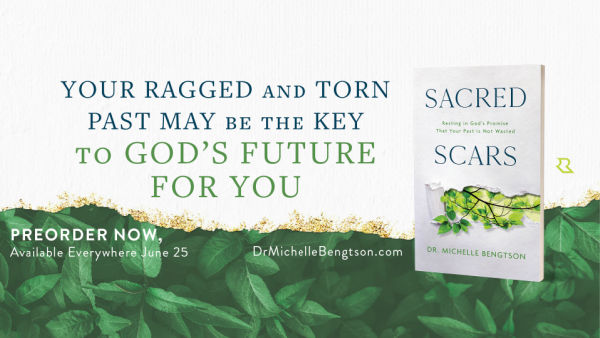
We all endure trials, pain, and hardship in this life. Too often we believe these experiences disqualify us from being useful to God. But the truth is, your past pain and brokenness serve as preparation for what God wants to do in and through you – if you will surrender to and trust him.
Just as Jesus’s scars didn’t disappear after his resurrection, our emotional or physical scars tell our story and lend credence to our testimony of God’s love and power. If you are ready to turn your past pain into present comfort and future hope, let Dr. Bengtson be your compassionate guide.
Find out more and order here: Sacred Scars


