

Forgiveness is often discussed as a spiritual discipline, a moral choice, or an act of obedience. But understanding what forgiveness does to your brain adds another important dimension. Forgiveness is also a profoundly neurological experience. The decision to release bitterness affects far more than emotions. It influences stress hormones, neural pathways, physical health, and even the brain’s capacity for peace.
Many people struggle with forgiveness because they misunderstand what it is. Forgiveness is not excusing wrongdoing. It is not pretending an offense never happened. It is not immediate trust, reconciliation, or the removal of healthy boundaries. Forgiveness is the intentional release of the debt we believe another person owes us.
When viewed through both Scripture and neuroscience, forgiveness emerges as one of God’s most powerful gifts for emotional, relational, and mental well-being.
What Happens in Your Brain When You Hold Onto Unforgiveness?
The brain is designed to recognize threats and protect us from future harm. When someone wounds us deeply, the brain often interprets that experience as danger.
As a result, regions involved in threat detection—particularly the amygdala—can remain highly activated when we repeatedly revisit the offense. Every time we replay the hurt, rehearse the injustice, or imagine retaliatory conversations, the brain responds as though the event is occurring again.
This chronic activation can contribute to:
- Increased anxiety
- Elevated stress hormones
- Difficulty sleeping
- Heightened emotional reactivity
- Persistent feelings of anger and resentment
- Increased risk of depression
Over time, unforgiveness can become more than an emotional burden. It can become a neurological pattern.
The brain strengthens the pathways it uses most frequently. When resentment becomes a repeated mental habit, those neural networks become increasingly efficient. The offense remains easily accessible, and emotional pain can feel fresh long after the original event.
This is one reason many people feel trapped in cycles of bitterness even when they genuinely want freedom.
How Does Forgiveness Affect the Brain?
Forgiveness engages different neural systems than resentment.
When individuals choose forgiveness, brain imaging research suggests increased activity in regions associated with empathy, emotional regulation, perspective-taking, and higher-order reasoning. These areas help reduce impulsive emotional reactions and support thoughtful responses.
Forgiveness also appears to reduce the body’s stress response. As chronic anger and rumination decrease, cortisol levels may decline, allowing the nervous system to move out of a prolonged state of vigilance.
In practical terms, forgiveness can support:
- Lower stress levels
- Improved emotional regulation
- Better sleep quality
- Reduced anxiety
- Greater psychological resilience
- Increased relational health
The process is rarely instantaneous. Instead, forgiveness often unfolds gradually as the brain develops new patterns of thought and emotional response.
This reflects an important principle found throughout both neuroscience and Scripture: transformation occurs through repeated renewal.
Why Is Forgiveness So Difficult?
Forgiveness is difficult because hurt creates competing desires within us.
Part of us longs for healing. Another part longs for justice.
Scripture affirms that injustice matters deeply to God. The Bible never minimizes wrongdoing. Yet it repeatedly invites believers to surrender ultimate judgment to God rather than carrying the burden themselves.
Romans 12:19 reminds us, “Do not take revenge, my dear friends, but leave room for God’s wrath.”
The challenge is that the brain often mistakes unforgiveness for protection. Holding onto anger can feel safer than releasing it. Resentment may create the illusion of control.
Yet over time, bitterness often binds the injured person more tightly to the offense than to the healing God desires.
This is where understanding the relationship between thoughts and emotions becomes essential. Many people discover freedom when they learn to identify unhealthy thinking patterns and replace them with truth. The process of recognizing and challenging distorted thinking has been explored in discussions about renewing the mind through biblical truth.
What Does the Bible Say About Forgiveness?
Forgiveness stands at the heart of the Gospel.
Throughout Scripture, forgiveness is not presented merely as a command but as a reflection of God’s character. We forgive because we have first been forgiven.
Ephesians 4:31–32 offers a powerful contrast: “Get rid of all bitterness, rage and anger… Be kind and compassionate to one another, forgiving each other, just as in Christ God forgave you.”
Notice that bitterness and forgiveness move in opposite directions.
Bitterness narrows the heart.
Forgiveness expands it.
Bitterness keeps the nervous system focused on past injury.
Forgiveness creates space for healing and restoration.
The biblical invitation to forgive is not about minimizing pain. It is about refusing to allow pain to become our permanent residence.
Can Forgiveness Improve Mental Health?
Forgiveness is not a cure-all, nor does it eliminate the need for counseling, support, or healthy boundaries when appropriate. However, substantial evidence suggests that forgiveness can contribute positively to mental health.
Many people find that forgiving others reduces emotional exhaustion and creates greater psychological flexibility. Instead of remaining trapped in repetitive cycles of anger, they gain emotional energy for relationships, purpose, and spiritual growth.
Forgiveness often becomes especially important when navigating experiences of anxiety, grief, or emotional overwhelm. Similar themes emerge in conversations about breaking free from chronic worry patterns and finding emotional healing after deep disappointment.
The common thread is this: healing frequently begins when we stop rehearsing what harmed us and start focusing on what restores us.
How Can You Begin the Process of Forgiveness?
Forgiveness is often a journey rather than a moment.
Several steps may help:
- Acknowledge the Wound Honestly. Healing begins with truth. Naming the hurt does not make you bitter. It makes you honest.
- Release the Need to Collect the Debt. Forgiveness involves relinquishing the belief that repayment is necessary for healing.
- Pray for God’s Perspective. Prayer helps shift attention from the offense to God’s presence. Research continues to demonstrate the profound connection between spiritual practices and emotional well-being, particularly through the impact of prayer on emotional resilience.
- Renew Your Thoughts Repeatedly. Forgiveness often requires returning to the decision multiple times. New neural pathways develop through repetition.
- Maintain Healthy Boundaries. Forgiveness and reconciliation are not identical. Some relationships can be restored. Others require ongoing boundaries.

The Freedom Found on the Other Side of Forgiveness
One of the most remarkable aspects of forgiveness is that the person who benefits most is often the one extending it.
The offender may never apologize.
The circumstances may never change.
The past cannot be rewritten.
Yet forgiveness loosens the grip that the offense has on the mind, body, and spirit.
When resentment no longer occupies center stage, the brain gains greater capacity for peace. The heart gains greater capacity for love. The soul gains greater capacity to experience God’s presence without the constant noise of unresolved anger.
Forgiveness does not erase the memory of what happened.
It changes the power that memory holds.
And in that sacred exchange, God often begins healing places that bitterness could never reach.
Hope Prevails,
Dr. Michelle
What happens in your brain when you forgive someone who hurt you? Forgiveness can change more than your emotions. See what neuroscience and Scripture reveal about letting go. Share on X Holding onto hurt can create patterns in your brain that keep the pain fresh. But forgiveness can begin to change those patterns. Learn what happens in your brain when you choose to forgive. Share on X
Get your Free Stress-Response Personality Assessment
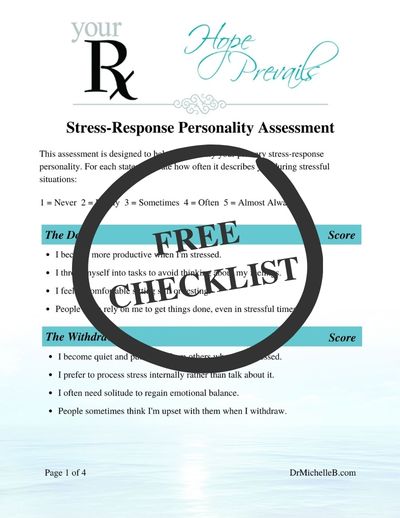
Stress rarely affects everyone the same way. Your brain, body, and emotions often respond in unique patterns shaped by your personality, past experiences, and nervous system.
This assessment will help you identify your primary stress-response personality so you can better understand how you react under pressure, recognize your stress patterns, and begin moving toward healthier, faith-filled responses.
Get the assessment here: Stress-Response Personality Assessment


